Creative Coworking – How many hours should you be working?
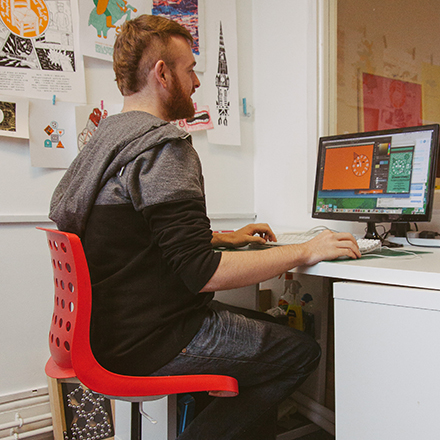
How many hours do you work per week? Although the 40-hour mark equates to full-time, many of us will be working 50-60+ hours per week. On the face of it that might sound productive, but research and real-world evidence suggest we should be cutting that number in half.
For those who are coworking, the picture gets more complicated. You might be working a part-time job for a bit of security, or you might have an endless stream of work that can leave you working late into the night. The good thing is, you have more control. It’s not easy to convince a huge corporation to cut their employees’ hours for the same pay. If you’re self-employed, the ball is in your court.
Why should you cut two hours from your workday?
For 13 years, those working in Toyota, Sweden have been working a six-hour day. The company have since reported happier staff, a lower turnover rate and lower incidences of calling in sick. Last month, a number of other Swedish employers decided to follow suit. Now, the trend has come to Bristol. At least in terms of flexible working.

Will I really get everything done in a six-hour day?
Here in the UK, we have one of the lowest levels of productivity in the workplace. We are used to working long days, and procrastinating on social media at regular intervals to help us through these days. The idea behind the six (or even four) hour day is that you focus intensely on the jobs that need doing, with no distraction or time-wasting.
This study found that after nurses adopted the six-hour day, they were both happier and produced better quality work.

What if my work needs the extra time?
For many, six hours just isn’t long enough to cover general admin work. It’s not the end of the world if that is the case. This study found that job flexibility, rather than hours worked, led to better work potential. If you have job flexibility, i.e. you can work in different locations and aren’t constrained to a strict 9-5 schedule, you can get more done AND feel more satisfied with life. This is great news for freelancers and coworkers, who generally have more flexibility.
The moral of the story
In short, you will do better (and probably more) work if you look after yourself. If you’re lucky enough to have the option of a six-hour day, it’s worth giving it a shot. If you can’t afford to cut your hours, working flexibly might still help you. Working in a studio space or coworking hub rather than solely at home will help with that flexibility. And no need to feel bad if you need to answer your emails from your bed every now and again.